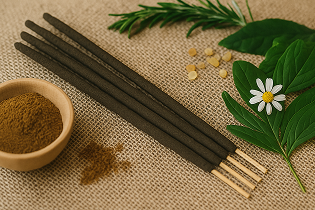

In a world where scent speaks louder than words, Bakhoor stands out as an aromatic treasure rooted in tradition, elegance, and wellness. From Arabian palaces to modern Indian homes, this fragrant blend has traveled across time — and it’s time we explored its divine story.
Bakhoor (بخور) refers to fragrant wood chips soaked in natural oils like oud, rose, sandalwood, and amber. When burned over charcoal or in electric burners, it releases a rich, woody aroma that lingers beautifully in the air, clothing, and soul.
Unlike incense sticks, Bakhoor is more potent, luxurious, and ceremonial. It’s not just about fragrance — it’s a sensory ritual.
The word “Bakhoor” comes from the Arabic root word “bakhara,” meaning to emit smoke. Traditionally used in Middle Eastern and Gulf countries, Bakhoor was:
- A symbol of hospitality
- Burned in homes before guests arrived
- A sign of wealth, respect, and divine presence
Today, its influence has crossed borders — embraced across India, especially during spiritual rituals, festive events, and wellness practices.
I was surprised to learn that Bakhoor isn’t just Arabic in origin. It’s deeply connected to ancient Indian rituals too.
In our culture, we’ve always used Sambrani, Chandan, Loban, and natural powders to purify homes and temples.
In a way, Bakhoor is where India meets Arabia — a blend of stories, scents, and spirituality.
And the best part? It’s still handmade by skilled artisans, just like in the old days.